American Veterans Day: Honoring Service

Origins and Historical Evolution
You might wonder when American Veterans Day started. This holiday has a long story. It shows how much the country cares about veterans. Look at the table below to see important events:
Year | Event Description |
|---|---|
1918 | Armistice Day started to remember World War I ending. |
1938 | U.S. Congress made Armistice Day a holiday for peace. |
1945 | Raymond Weeks asked for a holiday for all veterans. |
1947 | Raymond Weeks led the first big event for all veterans. |
1954 | President Eisenhower changed the name to Veterans Day. |
1971 | Veterans Day moved to the fourth Monday in October. |
1978 | Veterans Day went back to November 11. |
Veterans Day is more than a federal holiday; it is a solemn national promise to those who served. Originally called “Armistice Day” to mark the end of World War I, the holiday evolved to honor American military veterans from all eras.
National Traditions and Identity
Every November 11th, communities across the U.S. honor veterans through traditions that strengthen national identity:
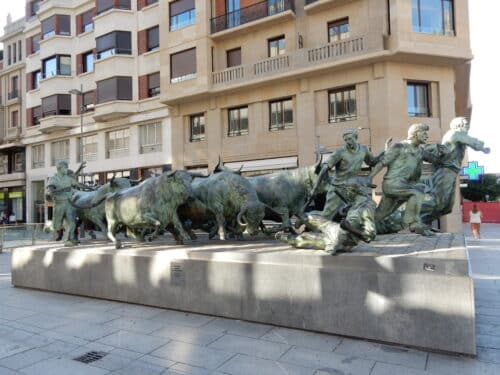
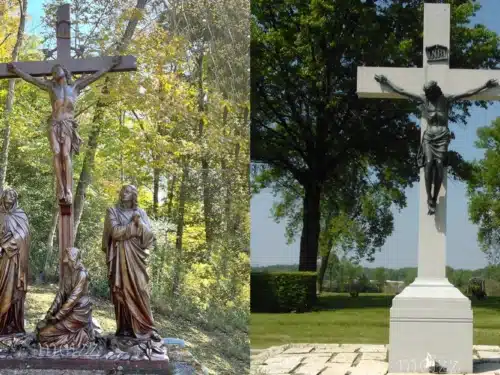
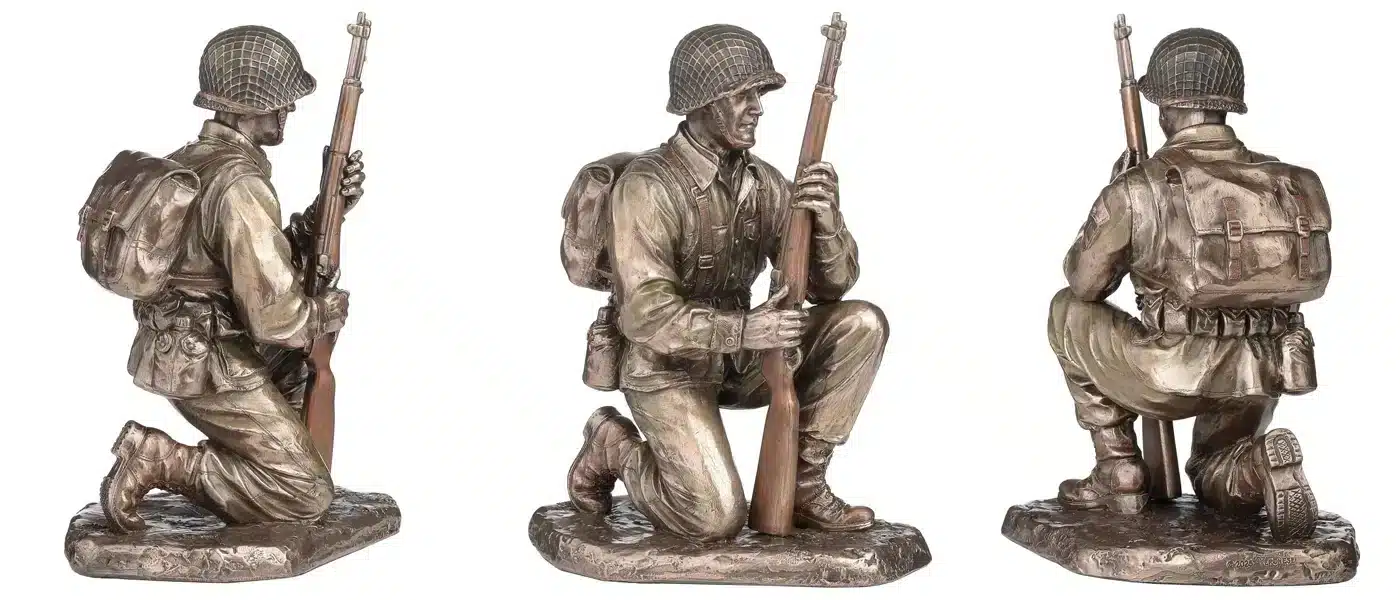
Visiting Memorials: Placing wreaths and flags at local bronze military sculptures.
Moments of Silence: Observing a national pause at 11:00 AM to reflect on service.
Parades and Gatherings: Listening to veterans’ stories to pass down lessons of sacrifice and camaraderie.
Participating in these events translates historical respect into active gratitude, keeping the legacy of veterans alive in modern society.
Bronze Military Sculptures: Symbolism and Purpose

Why Choose Bronze
Among public art materials, bronze is the premier choice for military memorials due to its unique physical properties:
Exceptional Durability: It withstands extreme weather, resisting corrosion and cracking for centuries.
Exquisite Detail: It captures the sculptor’s finest strokes, from subtle facial expressions to intricate uniform textures.
Low Maintenance: Over time, bronze naturally develops a protective “patina,” requiring minimal upkeep while adding profound historical character.
Core Themes
Bronze military sculptures are visual expressions of the national spirit. They directly showcase sacrifice, heroism, and patriotism. More importantly, many pieces—such as statues of soldiers supporting each other or fighting alongside military dogs—profoundly depict battlefield camaraderie, conveying a unity and loyalty that transcends the individual.
Emotional Resonance
The magic of these sculptures lies in turning cold, distant history into touching, real-life stories. Through lifelike details—a soldier’s weary yet resolute eyes, hands gripping a flag, or worn-out combat boots—bronze silently speaks of the cost of war. When visitors stand before these artworks, history is no longer just numbers in a textbook, but a tangible, emotional connection.
Notable Bronze Memorials
The Three Soldiers
When you go to the Vietnam Veterans Memorial in Washington, D.C., you see The Three Soldiers bronze statue close by. Frederick Hart made this statue to go with the famous black granite wall. The statue shows three soldiers from different backgrounds. Each soldier wears a uniform and carries gear from the Vietnam War. Their faces show feelings and strength.
The Three Soldiers was dedicated in November 1984. About 150,000 people came to the ceremony, including President Reagan and his wife. The big crowd showed how much this memorial matters to the country. Many people felt close to the statue. The artist wanted the statue to honor veterans but not take attention from the wall. Some people did not agree about where to put the statue. Leaders chose a green area between the Lincoln Memorial and the wall. Today, you can stand by The Three Soldiers and feel respect for those who served.

Iwo Jima Memorial
You find the Iwo Jima Memorial, also called the Marine Corps War Memorial, near Arlington National Cemetery. This bronze statue shows six Marines raising the American flag on Mount Suribachi in World War II. The statue honors all Marines who gave their lives since 1775.
Every year, special events happen at the Iwo Jima Memorial on American Veterans Day and other important days. These events include:
The Reunion of Honor ceremony remembers the Battle of Iwo Jima.
U.S. service members and Japan Self Defense Force members join together.
A color guard shows the flags of both countries.
Everyone has a moment of silence for those who died.
Important people give speeches about sacrifice and bravery.
A water ceremony and wreath laying show respect.
Bands from both nations play music.
A rifle salute honors those who served.
Guided tours help you learn about the battle’s history.

Service and Sacrifice Sculpture
The Service and Sacrifice Sculpture honors all men and women of the sea services—past, present, and future. This bronze memorial also honors military working dog teams. The statue shows John Douangdara, a Navy SEAL Team Six dog handler, and his war dog Bart. Both died in Afghanistan in 2011.
You learn important things from this memorial:
It honors everyone who served in the sea services.
It remembers all military working dog teams.
It is the first monument in the nation’s capital to honor working military dogs.
The statue tells the story of John Douangdara and Bart, showing their bravery and teamwork.

Local Memorials
You can see bronze military memorials in many American towns. These memorials are often in parks or near city halls. Sometimes, they stand in the middle of small communities. Each one shares a story about people who lived and served there. When you visit, you learn about your community’s special history.
Local bronze memorials do more than honor veterans. They help you remember important people and events from your area. You might see a statue of a local hero from a war. Sometimes, you find a monument for a battle or a group of soldiers from your town. These memorials help everyone remember the past.

Creating a Lasting Tribute
Artists’ Vision
Every bronze memorial begins with the artist’s profound insight. Sculptors strive to infuse humanity into cold metal, balancing the display of military strength and heroism with the sorrow and heaviness of war. This visual balance allows visitors to intuitively understand the true experiences of those who served.
The Sculpture Process
Transforming intangible memory into tangible bronze requires the complex “lost-wax” casting process:
Clay and Armature: Building a steel armature based on the design and sculpting a detailed, to-scale clay model.
Molding and Waxing: Using silicone rubber to create a mold, then pouring hot wax to form a hollow replica.
Shelling and Casting: Coating the wax model in a fire-resistant sand shell, melting out the wax, and pouring liquid bronze at around 1090°C into the hollow shell.
Polishing and Patina: Welding, polishing, and applying chemicals for coloration (patina) after the bronze cools, followed by final installation.
Challenges in Memorial Art
Large outdoor sculptures test both artistic aesthetics and rigorous engineering. Artists must ensure absolute internal structural safety to withstand high winds and gravity. Additionally, transporting massive statues, installing them in city centers, and ensuring weather resistance against long-term exposure are critical challenges.
Voices and Reflections
Veterans’ Perspectives
For many veterans, memorials serve as a safe psychological haven. Standing here, they can release suppressed emotions and mourn fallen comrades. The sculpture itself is a silent form of social recognition, helping them regain respect and inner peace after the war.
Family and Community Views
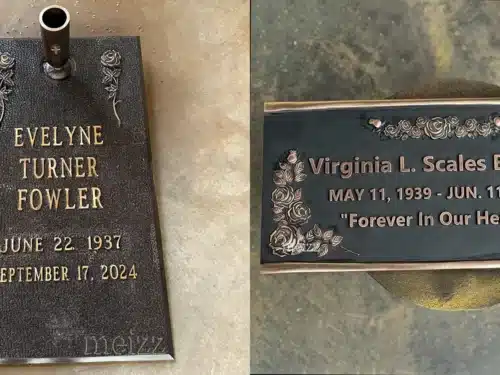
Families view these places as emotional anchors, remembering loved ones by touching plaques and statues. At the community level, these memorials become vital cultural landmarks that promote the spirit of public service and unite neighborhoods.
Emotional Stories
Every Veterans Day, countless moving moments unfold before these sculptures: the reunion of comrades after decades apart, a stranger handing a small flag to a veteran, or a grieving family member leaving a letter at the base of a statue. These genuine interactions give bronze sculptures vivid vitality.
Inspiring Future Generations
Education and Patriotism
Bronze military sculptures are excellent outdoor history classrooms. Schools often organize field trips, allowing the younger generation to face history directly. By observing the resolute faces and combat details on the sculptures, students deeply understand the cost of freedom, thereby fostering rational patriotism and a sense of civic responsibility.
Memorials’ Lasting Influence
The ultimate goal of these memorials transcends the boundaries of a single holiday. They constantly remind the public to translate gratitude for heroes into everyday acts of kindness and mutual support. This long-term social impact is the continuation of the veteran spirit in peacetime.
FAQ
What is the purpose of bronze military sculptures?
These sculptures honor veterans and their service. They help you remember what veterans did for the country. Bronze lasts a long time and shows small details well. These sculptures give you a place to think and learn about history.
Why do artists choose bronze for memorials?
Bronze is very strong and does not get ruined by weather. It keeps small details clear for many years. Artists like how bronze looks and how long it lasts. This makes bronze a good choice for outdoor memorials.
Where can you find famous bronze military sculptures?
You can see famous sculptures in Washington, D.C. and Arlington. Many parks in towns have their own special memorials. Some well-known ones are The Three Soldiers and the Iwo Jima Memorial. The Service and Sacrifice Sculpture is also famous.
How do bronze sculptures help veterans and families?
These sculptures give people a place to remember loved ones. Veterans feel comfort when they visit these memorials. Families come together to share stories and show respect. Memorials help everyone feel proud and heal.
What do the poses and symbols in sculptures mean?
Soldiers standing tall show bravery and strength. Some poses show teamwork or friendship between soldiers. Symbols like flags, eagles, or helmets stand for freedom and sacrifice. Every detail helps tell a veteran’s story.
Can you visit bronze military sculptures on Veterans Day?
Yes, you can visit these memorials any day you want. Many people go on Veterans Day for ceremonies or to leave flowers. Some people have a moment of silence to show respect. Visiting helps you learn more about veterans’ lives.
How do schools use bronze military sculptures for education?
Teachers take students to see these sculptures in person. You learn about history, service, and patriotism at these places. Schools may have ceremonies or ask you to write about your visit. These trips help you understand Veterans Day better.