Heraldry and city bear symbols
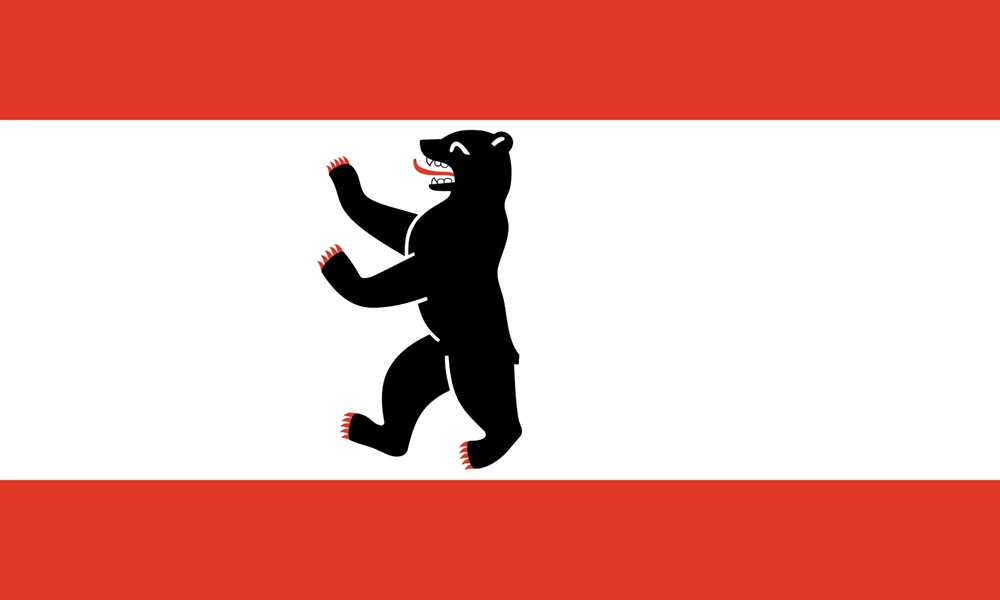
Berlin Bear — Coat of Arms and Flag, Berlin, Germany
- Type & year: Heraldry in continuous use; constitutionally mandated
- Location: City-wide symbolism; Rotes Rathaus heraldic windows as a visible reference
- Why it matters: The bear is not just a mascot; it’s codified as the city’s official device.
- Story & symbolism: Berlin’s constitution stipulates that the flag, coat of arms, and seal “shall show a bear,” embedding the motif at the core of civic identity. Historic coats of arms featuring the bear are displayed in the Red Town Hall’s Hall of Arms, making the emblem legible both in governance and in public interiors. See the constitutional clause via the city’s portal and a civic visitor guide to Rotes Rathaus for context.
- Best for / when to go: Civic history walks; weekdays for administrative activity around the town hall.
- Visitor notes: Exterior access is free; interior access varies by event or tour policy.
El Oso y el Madroño — Puerta del Sol, Madrid, Spain
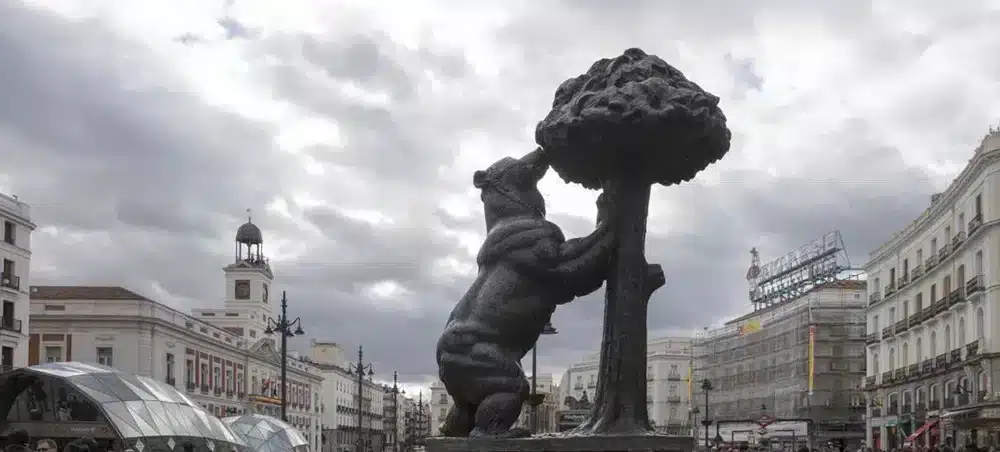
- Type & year: Heraldry sculpture, 1967
- Artist: Antonio Navarro Santafé
- Location: Puerta del Sol, central plaza
- Why it matters: A three-dimensional embodiment of the city’s coat of arms—and a de facto meeting point.
- Story & symbolism: The bear and strawberry tree form Madrid’s heraldic device, rendered here as a bronze civic landmark installed in 1967. Official tourism pages confirm the artist and location, noting the sculpture’s continued role after recent square renovations.
- Best for / when to go: Early morning for photos before crowds; evenings for ambient city life.
- Visitor notes: Free, open plaza; crowding common; occasional repositioning during works.
Bern’s BärenPark — Bern, Switzerland
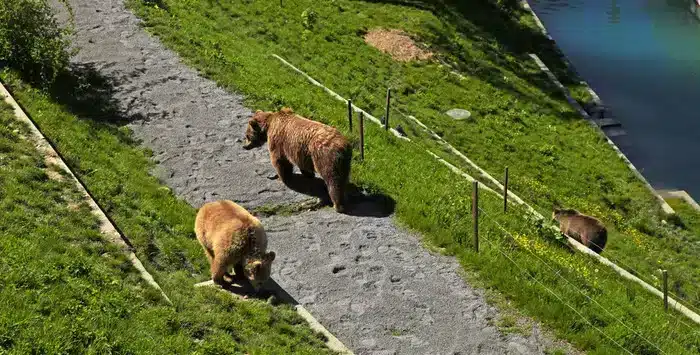
- Type & year: Living emblem/animal park site, current era from 2009
- Location: Grosser Muristalden 6, along the Aare river, adjacent to Old Town
- Why it matters: A rare case where a heraldic animal becomes a managed, barrier‑free civic landscape.
- Story & symbolism: Bern’s founding myth and heraldry revolve around the bear. The modern BärenPark replaces the historic pit with an accessible riverbank habitat integrated into the UNESCO‑listed Old Town. The official animal park site details address, hours, and the free inclined lift that ensures barrier-free access.
- Best for / when to go: Daylight hours for river views; off‑peak seasons for calmer paths.
- Visitor notes: Free admission; open year‑round; wheelchair access via the free “BäreBähnli” lift; animal visibility varies by season.
Soft CTA: Want a compact view of these heraldry-forward entries side by side? Our forthcoming comparison tool will let you filter by access details and documentation strength.
Modern public sculptures and urban landmarks
I See What You Mean — Big Blue Bear, Denver, USA
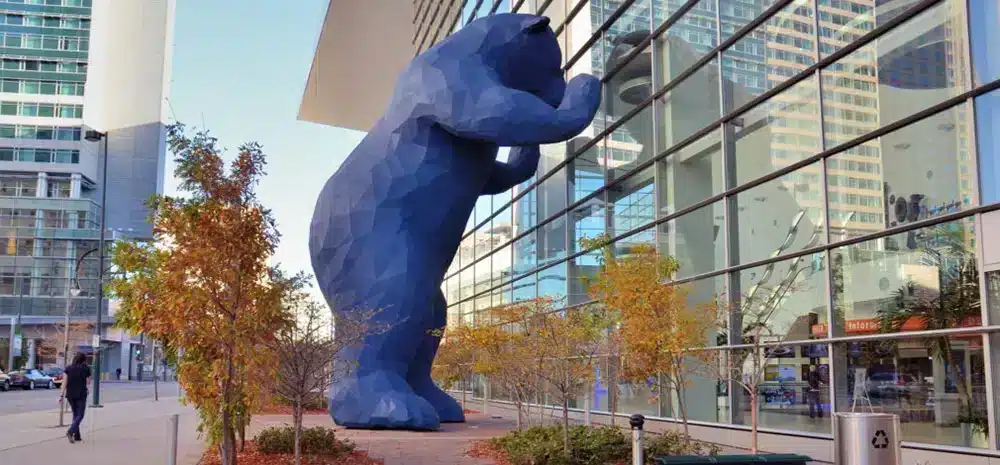
- Type & year: Modern public sculpture; 40‑foot installation (year not stated on cited official pages)
- Artist: Lawrence Argent
- Location: Colorado Convention Center, 14th St & California St
- Why it matters: A playful, photogenic icon that redefined Denver’s public art identity.
- Story & symbolism: The cobalt-blue bear peers into the convention center’s glass facade, creating a dialogue between interior and street life. Official tourism and venue materials confirm the work’s formal title, scale, and siting in the downtown events district.
- Best for / when to go: Blue-hour and night shots for reflections; weekdays avoid event barricades.
- Visitor notes: Free outdoor viewing from the sidewalk; occasional restrictions during large conventions.
Group of Bears — Paul Manship, Central Park, New York City, USA

- Type & year: Modern public sculpture; 1990 cast/installation for the playground entrance
- Artist: Paul Manship
- Location: Smadbeck–Heckscher East Playground, Central Park (near 5th Ave & E 79th St)
- Why it matters: An early‑modern classicist work designed for everyday interaction in a high‑use public realm.
- Story & symbolism: Manship’s bronze bears greet families at a reconfigured, accessible playground, merging art and play.
- Best for / when to go: Weekday mornings to avoid playground crowds; golden hour for warm tones.
- Visitor notes: Free during park hours; designed to be climbable; surfaces show expected wear.
Buddy Bears and United Buddy Bears — Berlin origin and touring program

- Type & year: Public art program; initiated 2001 and ongoing
- Founders: Eva and Dr. Klaus Herlitz; various artists
- Location: Origin in Berlin; exhibitions worldwide
- Why it matters: A city‑backed ambassador program that turned a local figure into a global platform for dialogue.
- Story & symbolism: Beginning as individually painted street bears, the program evolved into international exhibitions featuring country‑themed bears. The official project site documents origins and global tours under a tolerance and dialogue theme, with long‑running municipal support.
- Best for / when to go: Check local host schedules; outdoor street displays are typically free.
- Visitor notes: Locations and dates vary; consult the project’s site for current tours.
The Spirit of Haida Gwaii — Bill Reid, Gatineau and Vancouver, Canada
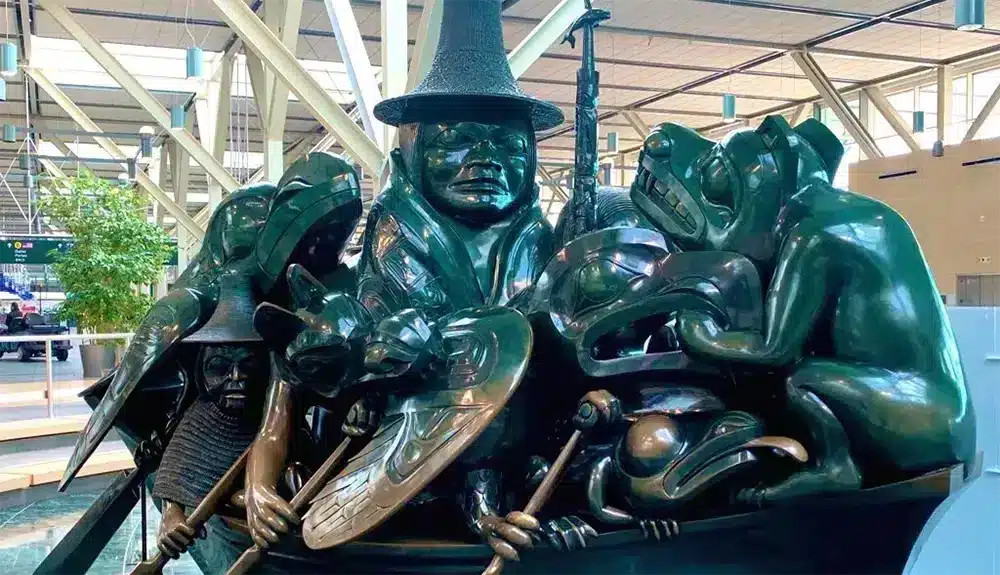
- Type & year: Monumental sculptural ensemble; variants installed at the Canadian Museum of History (Gatineau) and Vancouver International Airport
- Artist: Bill Reid (Haida)
- Location: Canadian Museum of History Grand Hall; Vancouver International Airport arrivals
- Why it matters: A national‑level cultural anchor featuring a bear figure within a canoe of beings, bridging museum and gateway contexts.
- Story & symbolism: Reid’s celebrated canoe gathers human, animal, and supernatural figures—including a bear—into a dense, narrative vessel that has become emblematic of Canadian cultural identity at two major sites. The museum’s pages document the work and its presentation in the Grand Hall and virtual materials.
- Best for / when to go: Museum hours in Gatineau; any time during terminal access in Vancouver.
- Visitor notes: Museum admission is ticketed and subject to change; airport viewing is free within public zones.
Paddington Bear — Paddington Station, London, UK
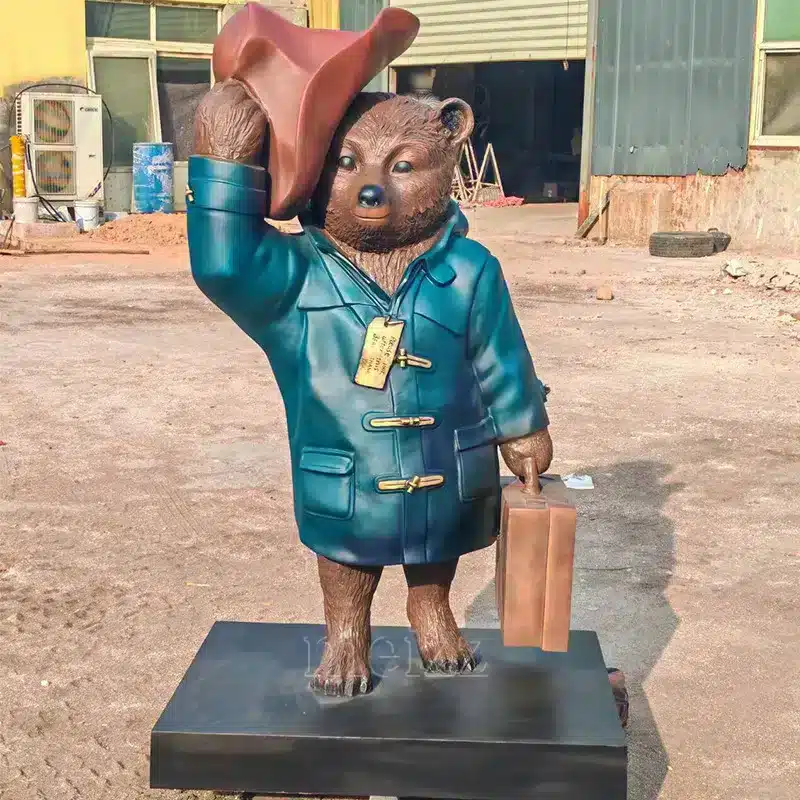
Type & year: Literary and pop culture monument; unveiled 2000
Artist: Marcus Cornish
Location: Platform 1, Paddington Station, London
Why it matters: A globally recognized symbol of welcome and children’s literature embedded within a major working transit hub.
Story & symbolism: Based on Michael Bond’s beloved books, this life-sized bronze sits exactly where the Brown family first found the bear from “Darkest Peru.” The station’s management documents its status as a permanent, high-traffic cultural touchstone.
Best for / when to go: Off-peak travel hours to avoid heavy commuter rushes.
Visitor notes: Free access inside the station concourse; fully accessible, but situated in a very busy environment.
Wojtek the Soldier Bear — Princes Street Gardens, Edinburgh, Scotland
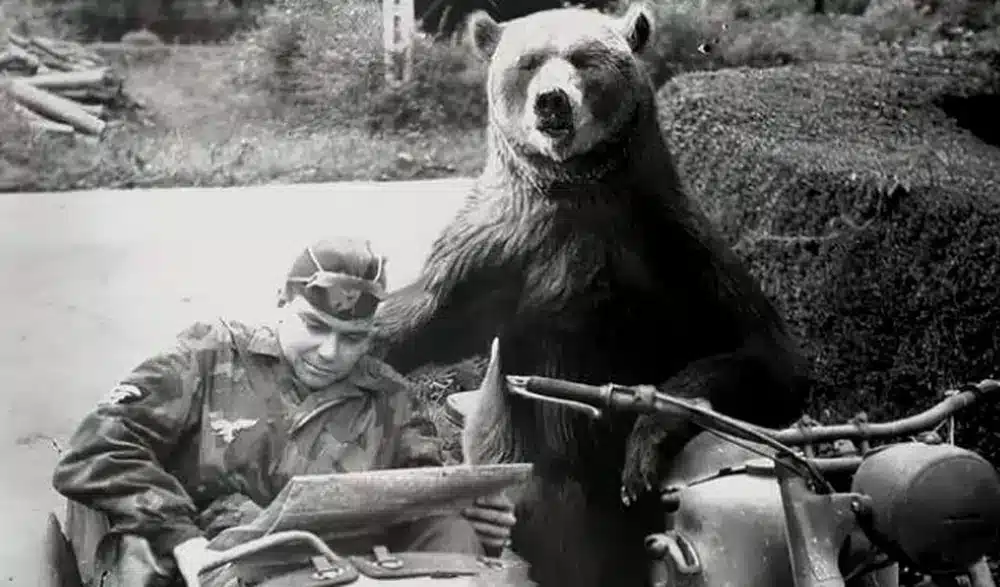
Type & year: Historical memorial sculpture; unveiled 2015
Artist: Alan Beattie Herriot
Location: West Princes Street Gardens, below Edinburgh Castle
Why it matters: A remarkable civic tribute to a Syrian brown bear enlisted in the Polish army during WWII, symbolizing international camaraderie and migration.
Story & symbolism: Wojtek served with the 22nd Artillery Supply Company and later retired to the Edinburgh Zoo. The bronze statue depicts him alongside a Polish soldier, serving as a monument to shared Scottish and Polish history. Documented by the memorial trust and municipal park records.
Best for / when to go: Daytime strolls through the gardens; excellent natural light against the castle backdrop.
Visitor notes: Free, open-air park setting; paved paths provide solid wheelchair accessibility.
Finance-district bull/bear installations
Bull and Bear — Frankfurt Stock Exchange, Frankfurt am Main, Germany
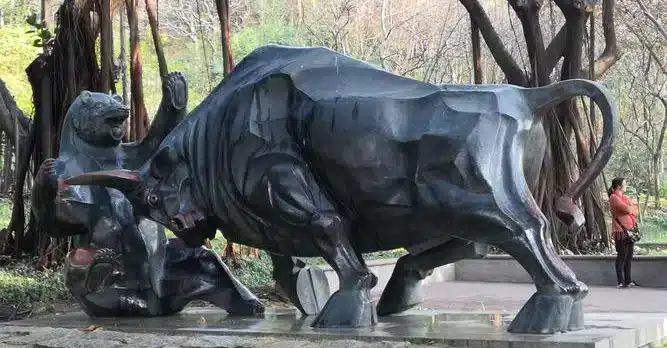
- Type & year: Finance allegory pair; unveiled 1985
- Artist: Reinhard Dachlauer
- Location: Börsenplatz, in front of the Frankfurt Stock Exchange
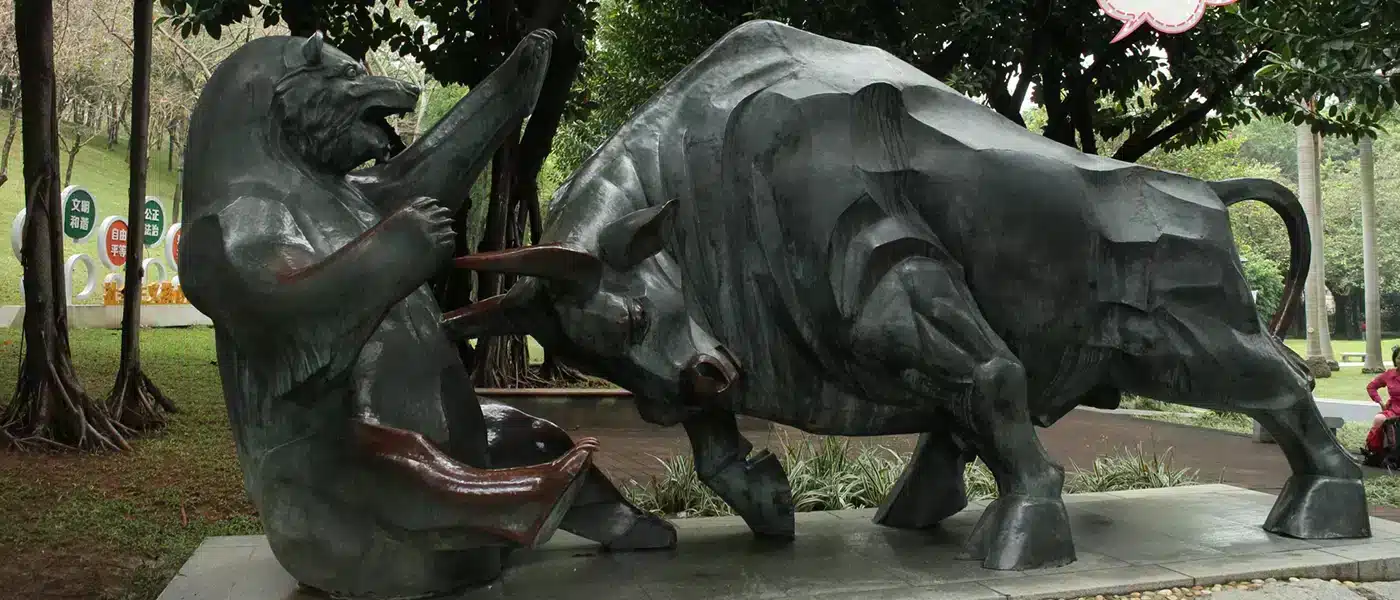
- Why it matters: Europe’s canonical paired market allegories—widely cited in financial media and education.
- Story & symbolism: Installed for the exchange’s 400th anniversary observances, the statues visualize market optimism and pessimism as a fixed urban tableau at the exchange entrance.
- Best for / when to go: Business hours for plaza activity; early mornings for unobstructed photos.
- Visitor notes: Outdoor, free access; occasional security or works may narrow approaches.