Key Takeaways
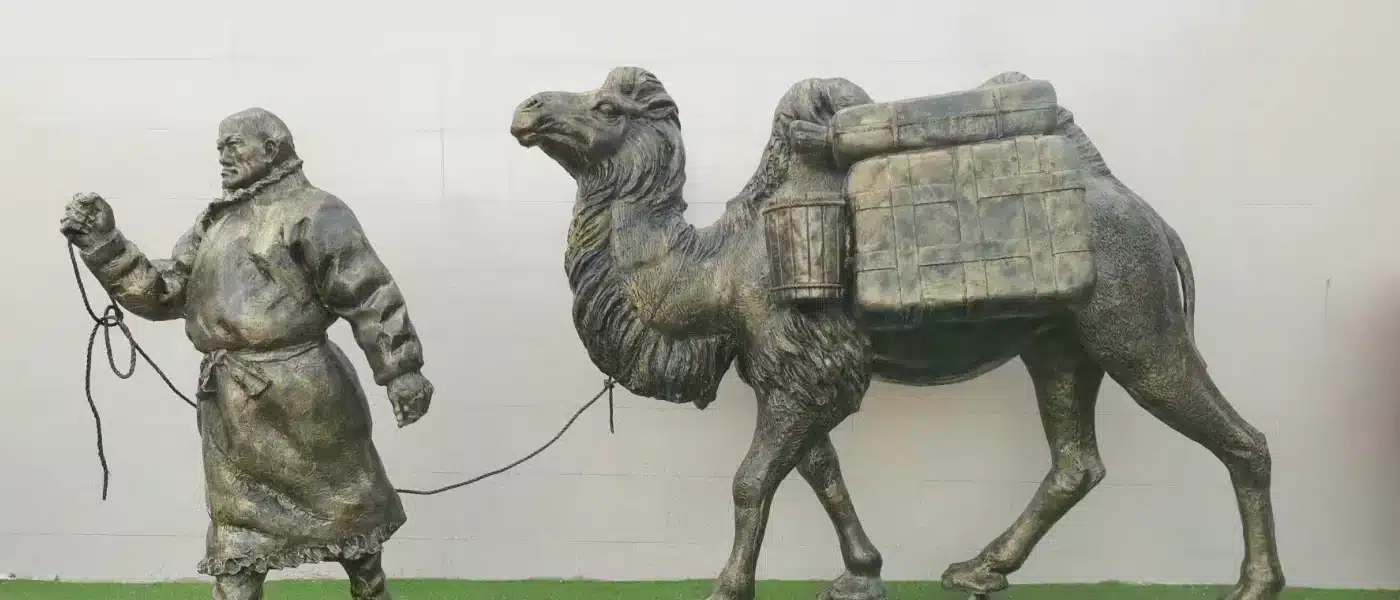
- Camel sculptures are not just decorations. They show strength, wealth, and endurance. This gives your space more meaning.
- Sculptures made from stainless steel or camel leather look beautiful. These materials also make them last longer. Each sculpture is special in its own way.
- Where you put your camel sculpture is important. Place it in the living room or entryway. This helps your home feel friendly and warm.
- Handcrafted and limited edition camel sculptures are rare. They are real and special. Many people want to collect them.
- Adding camel sculptures to your decor links you to old traditions and stories. This makes your home feel richer and more interesting.
Camel Sculpture Craftsmanship
Materials and Techniques
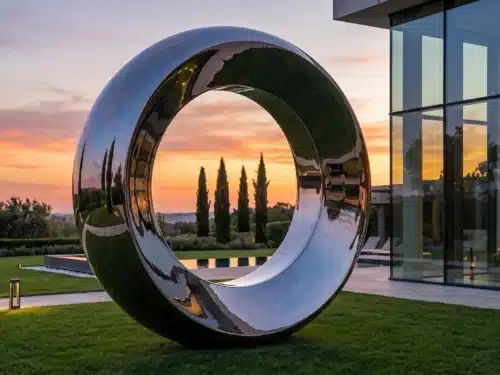
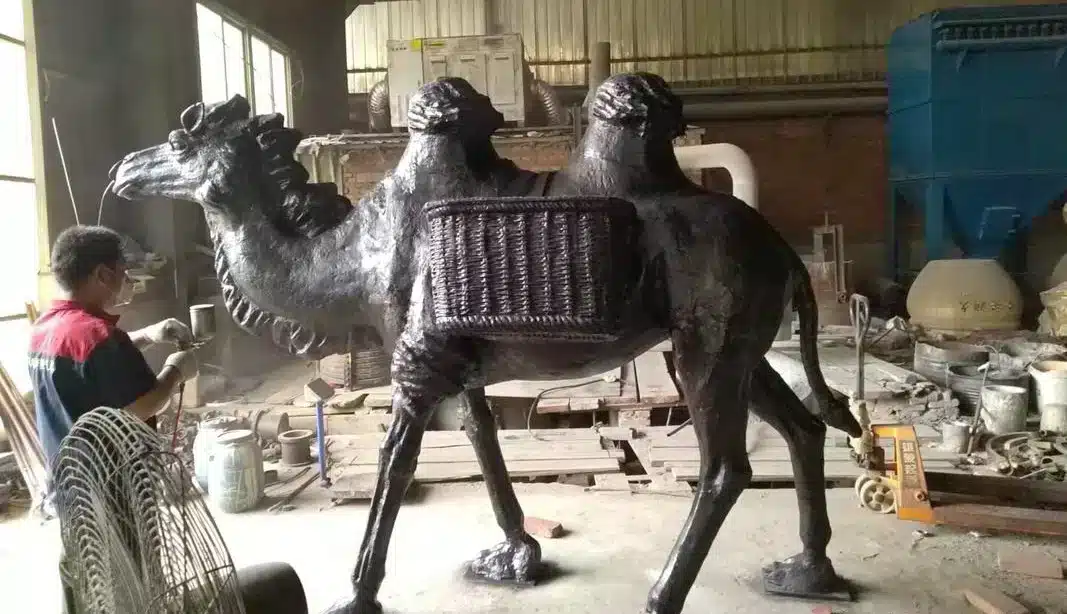
When you see a camel sculpture, you notice what it’s made of first. Artists use materials like stainless steel and camel leather. Each one has its own good points. Stainless steel lasts a long time and does not rust. It is shiny and reflects light like a mirror. Camel leather feels different from metal. It is strong and bends easily, so artists can shape it in many ways. The texture is special and makes the sculpture stand out. This material also shows how people who use it are tough and can adjust to new things.
Here’s a quick look at how different materials change camel sculptures:
| Material | Durability | Appearance |
|---|---|---|
| Stainless Steel | Very high, resists corrosion | Smooth, shiny, reflects light and surroundings |
| Bronze | Corrosion-resistant and long-lasting. | Natural texture, strong artistic appeal. |
| Stone | Sturdy and durable, with natural texture. | Heavy texture |
| Fiberglass | Lightweight and generally durable. | Highly malleable, allowing for diverse designs. |
| Camel Leather | Strong, flexible, long-lasting | Unique texture, adds character |
Artists use special methods to make each camel sculpture different. Many use the lost wax method for bronze. They start with a clay model and fix it until it looks right. Then they cast it in metal. This helps them show every small detail. Good materials are important, too. They make the sculpture strong and nice to look at.
Intricate Decorations
Some camel sculptures have patterns, carvings, or painted parts. These decorations mean more than just looking pretty. In many places, people decorate real camels for parties and big events. Artists use this idea in their work. They add designs that mean wealth, strength, and good luck.
- Bronze camel sculptures are sometimes mascots in feng shui.
- The decorations stand for success and wealth.
- The camel itself means hard work and strength.
Artists work carefully on every line and curve. They use skill and sometimes add a patina to the surface. This finish keeps the sculpture safe and makes it look even better.
Artistic Traditions
Camel sculpture design comes from a long history. Many cultures have helped shape how these sculptures look now. The Sogdians, who lived on the Silk Roads, liked to show camels in their art. They made camel figurines with musicians to show how important camels were. These sculptures often used special glazing. The skill and care in each piece showed the owner was important.
You can see these old traditions in camel sculptures today. Artists still use old ways but add new ideas, too. This mix of old and new makes each camel sculpture a real piece of art.
Cultural and Symbolic Value
Heritage and History
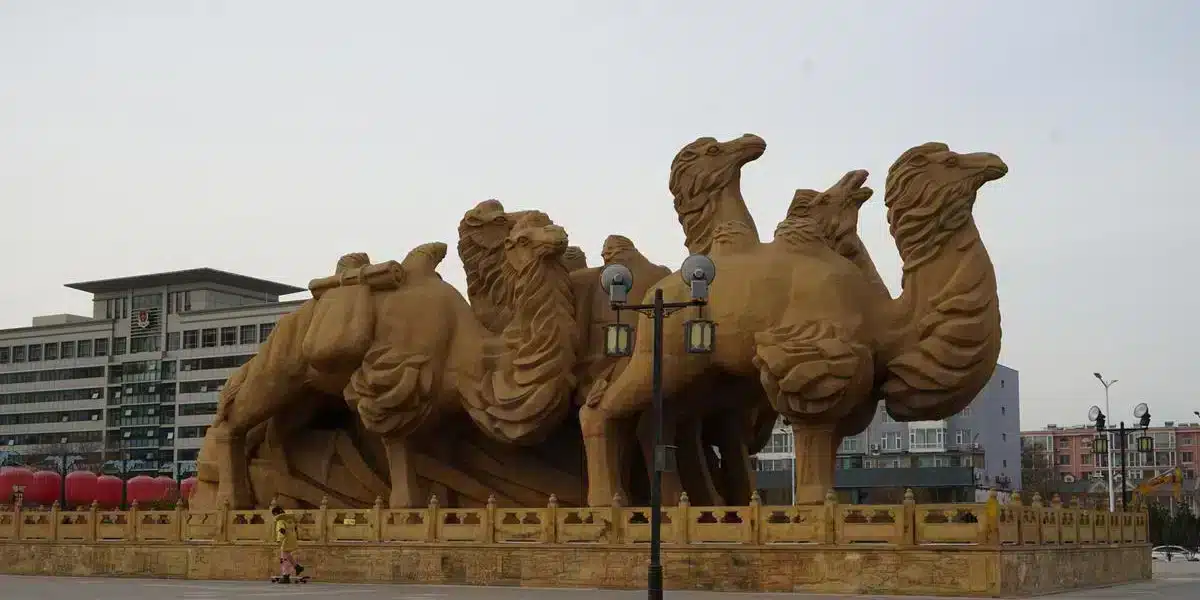
A camel sculpture is more than just an animal. It tells a story from thousands of years ago. People in ancient Arabia carved camels into rocks 12,000 years ago. These carvings are some of the oldest in the world. Artists first made small, simple people shapes. Later, they created bigger animals that looked real. The style changed again over time. Camels started to look cartoon-like, with similar faces and bodies.
| Phase | Description |
|---|---|
| 1 | Small, stylized human figures |
| 2 | Large naturalistic animal depictions with unique characteristics |
| 3 | Standardized, cartoonish features with near-identical depictions |
These carvings show camels were very important. People needed camels for travel and food. As artists got better, the art became more detailed. Some carvings are as skilled as famous cave paintings in Europe. You can see how camels’ roles changed as people stopped hunting and started farming. In Asia, camels were part of spiritual rituals. Artists sometimes made camels with simple shapes. This showed a new way of thinking about art. Having a camel sculpture at home connects you to this long history.
Camel sculptures help you remember the journey from ancient times to now. They carry stories about survival and change.
Vastu and Geomantic Meanings
People put camel sculptures in their homes for special reasons. In Vastu, an old Indian system for arranging spaces, camels have important meanings. They stand for steady progress and strength. If you want more financial stability, a camel sculpture might help. People think it brings good energy and keeps away bad vibes. It can also help you stay focused when you have big goals.
- Camels stand for steady progress and strength.
- They help clean your space of bad energy.
- A camel sculpture can help you stay focused and reach your goals.
- A mother camel with her baby brings caring and harmony to relationships.
Putting a camel sculpture in your living room or office brings these good qualities. It’s not just for decoration. It helps make your space peaceful and strong so you can do well.
Symbolism of Strength and Wealth
In many cultures, camels mean strength, wealth, and endurance. You can see this in art from Japan to the Middle East. In Japan, camels show toughness and flexibility. People like how camels get through hard times. In Feng Shui, camels bring balance and stability. They help keep your life and money steady. In the Bible, camels mean wealth and respect. They appear in stories as signs of success. In Chinese philosophy, camels bring good luck and protect your money.
| Culture/Context | Symbolism | Description |
|---|---|---|
| Japan | Tenacity and Flexibility | Camels inspire people to overcome obstacles. |
| Feng Shui | Stability and Endurance | Camels balance energy and bring harmony, wealth, and stability. |
| Biblical | Wealth and Respect | Camels show up as symbols of wealth and durability in important stories. |
| Mythology | Endurance and Resilience | Camels survive in harsh places, showing strength and resilience. |
| Chinese Philosophy | Good Luck and Wealth | Camels protect and improve financial well-being. |
Choosing a camel sculpture brings these strong symbols into your life. You don’t just decorate your space. You fill it with meaning, history, and good energy.
Versatility in Decor
Interior Style Adaptation
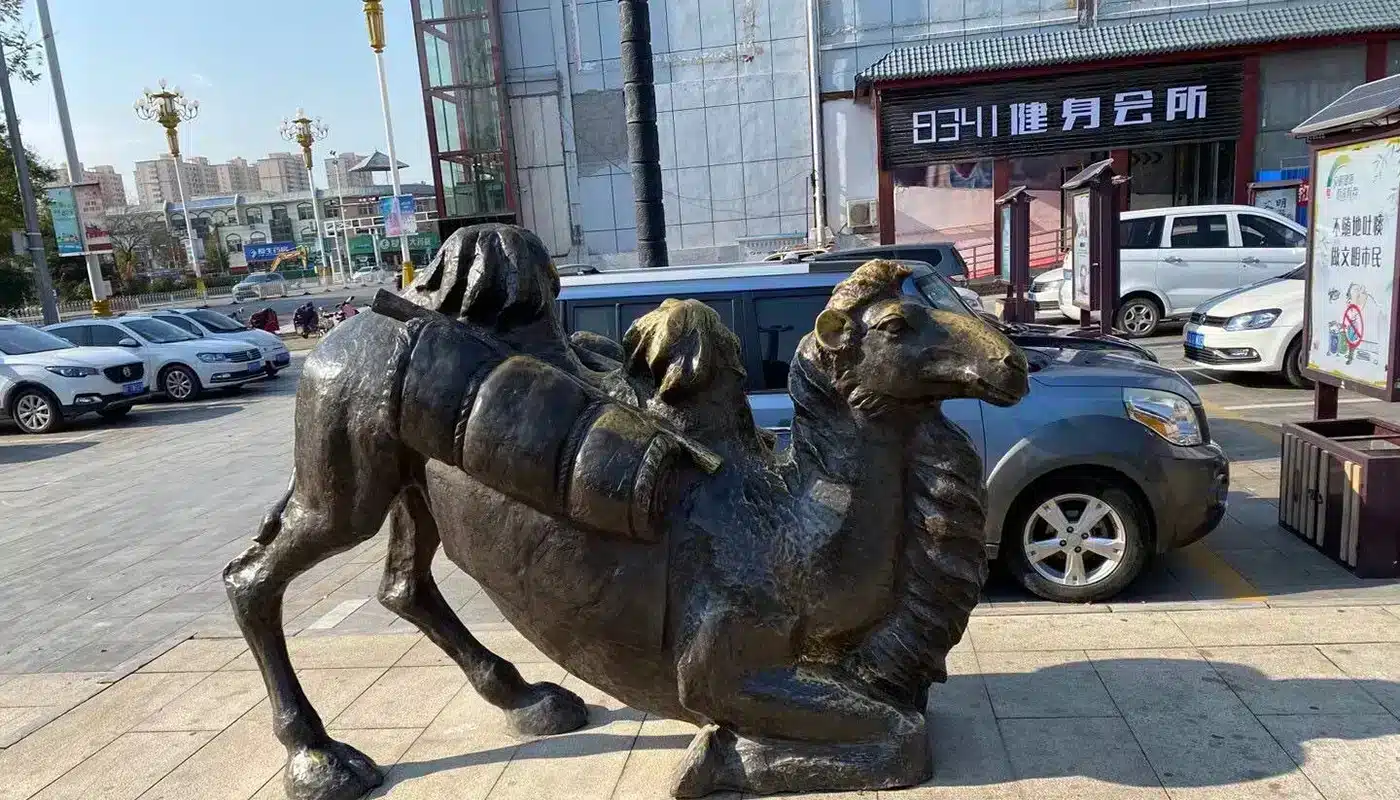
You want your home to feel unique. A camel sculpture fits into many styles. You can place it in a modern living room, and it will look sleek. If you like traditional decor, it adds a touch of history. Some people use it in bohemian spaces for a global vibe. You can match the colors and materials to your furniture. The sculpture blends in or stands out, depending on what you want.
Tip: Try placing your sculpture near natural light. The shadows and highlights will make it pop.
Placement and Ambiance
Where you put your sculpture matters. You can set it on a coffee table, and it becomes a conversation starter. Some people like it on a bookshelf with other art pieces. You might choose a hallway or entryway for a bold first impression. The size of the sculpture changes the mood. A small one feels cozy. A large one feels grand.
Here’s a quick guide for placement:
| Location | Effect |
|---|---|
| Living Room | Welcoming, stylish |
| Entryway | Impressive, bold |
| Office | Inspiring, focused |
| Bedroom | Calm, personal |
Enhancing Character
You want your space to show your personality. A camel sculpture helps with that. It tells guests you value art and culture. The details and colors add depth to your room. You can pair it with plants or books for a layered look. Some people use it to spark stories or memories. Your decor feels richer and more interesting.
A single sculpture can change the whole feel of a room. It brings warmth, charm, and a sense of adventure.
Personalization and Collectibility
Handcrafted Camel Sculptures
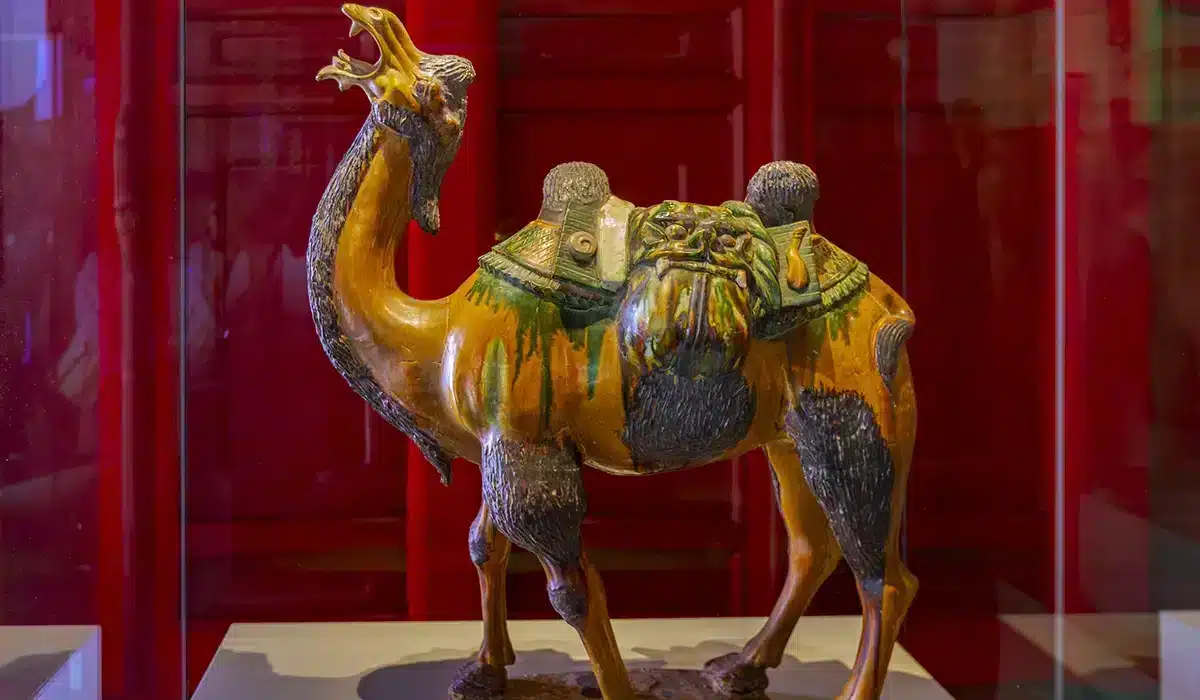
If you pick a handcrafted camel sculpture, it is very special. Artists use ceramic clay and special glazing methods. These methods are like those from the Sancai Tang Dynasty. Each sculpture looks and feels different. You can see the difference right away. Mass-produced sculptures do not have fine details. They also lack character. Handcrafted sculptures are checked for condition and authenticity. Some rare pieces, like Western Wei pottery camels, are hard to find. Only about 500 exist today. Their price can be $20,000 to $30,000. You get a piece of history, not just a decoration.
Handcrafted sculptures are unique and rare. You own a story, not just an object.
Custom Designs
You may want a sculpture that matches your style. Collectors like modern shapes and bold colors. Matte-gold and mirror-polished finishes are popular now. These custom choices make your sculpture special. Some artists use stainless steel or gold plating. This gives a fancy look. Large abstract pieces can be the main focus in your room. You can choose the finish, size, and sometimes the pose. Your choices make the sculpture fit your personality.
- Popular custom options:
- Geometric shapes
- Matte-gold or mirror-polished surfaces
- Stainless steel or gold-plated materials
Limited Editions
If you want something rare, look for limited edition sculptures. Artists make only a few of these pieces. Each one has a certificate of authenticity. You know your sculpture is rare. Limited editions have special designs or finishes. You cannot find these anywhere else. Collectors like these pieces because they keep their value. Sometimes, they even become worth more over time.
| Edition Type | Features | Collector Value |
|---|---|---|
| Handcrafted | Unique, high-quality | Very high |
| Custom Design | Personalized, trendy | High |
| Limited Edition | Rare, certified | Highest |
If you own a limited edition, you have something few people have. It is a true collector’s item.
Camel Sculpture vs. Other Motifs
Unique Features
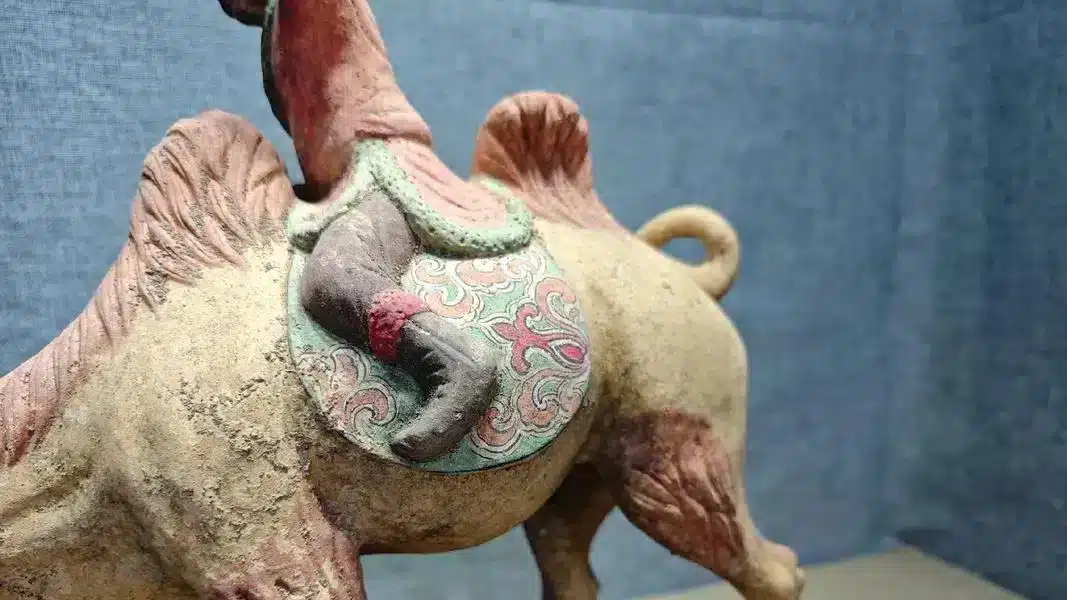
When you look at animal art, you see elephants, horses, and lions a lot. These animals are in carvings, paintings, and statues. Camels are different. You do not see them often in art. Even in Rajasthan, camels are important but not shown much in art. This makes camel sculptures special. Artists pick camels to be different. You get a rare and unique piece.
- Camels are not seen much in religious art or old stories.
- Many people think of camels with nomadic tribes, but these tribes did not shape most art.
- If you want something special, a camel sculpture is a fresh choice.
Artistic Appeal
Camel sculptures stand out with bold shapes and details. You notice strong legs, curved necks, and faces that show feeling. Artists use many materials and finishes to make each sculpture look cool. Some have bright colors or shiny looks. Others show natural textures. You can put a camel sculpture in any room. It adds adventure and feels different from other animal art. You see movement and life in each piece.
Tip: Put your camel sculpture with simple decor. The difference will help it stand out more.
Cultural Distinction
Camels mean more than just animals in some cultures. In Bedouin life, camels are used for food, travel, and parties. At weddings and festivals, camel races are fun and exciting. These traditions make camel sculptures more than art. They are symbols of pride and heritage. When you pick a camel sculpture, you bring this rich culture home. You show respect for strength, tradition, and celebration.
| Motif | Common Use in Art | Cultural Importance | Symbolism |
|---|---|---|---|
| Elephant | Very common | Royalty, wisdom | Power, luck |
| Horse | Very common | War, travel | Speed, freedom |
| Lion | Very common | Strength, courage | Leadership |
| Camel | Rare | Bedouin, nomadic | Endurance, pride |
A camel sculpture is more than decoration. It is a story, a tradition, and a way to celebrate strength.
A camel sculpture gives your home more than just beauty. It also brings history and culture that stand out. Experts say old rock art shows camels in real-looking styles. This proves camels are important in art.
| Evidence Description | Significance |
|---|---|
| Big rock art shows people lived in the Arabian Desert long ago. | This shows camel sculptures have a long history in art. |
| Most engravings show camels with lots of detail and look real. | This means artists cared about showing camels well in their culture. |
- The Alia camel means strength and wealth in Bedouin poems.
- Camels are important in special events and races.
Picking a camel sculpture adds meaning and a story to your room. No other decoration does this in the same way.
FAQ
What makes camel sculptures unique in home decor?
You get a piece that stands out. Camel sculptures show strength and history. They add a story to your space. Most animal art uses lions or elephants. Camels feel rare and special.
How do I care for a camel sculpture?
You can dust it with a soft cloth. For metal, use a gentle cleaner. Keep leather sculptures away from water. Place your sculpture where it will not get bumped or scratched.
Can I use camel sculptures for good luck?
Yes! Many people believe camel sculptures bring wealth and positive energy. In Vastu and Feng Shui, camels stand for endurance and success. Place one in your living room or office for the best effect.
Are camel sculptures good gifts?
Absolutely! You can give a camel sculpture for weddings, housewarmings, or birthdays. It shows you care about art and culture. The gift feels thoughtful and unique.