
Key Takeaways
Ancient Greek statues were first painted with bright colors, not just plain white marble. – Scientists use special tools like microscopes and cameras to find old paint on statues. – Old writings and things found by archaeologists show that color was important in Greek art and life. – The idea that statues were only white started during the Renaissance and still affects how we see ancient art now. – Knowing that statues were colorful helps us see how creative and careful ancient Greek artists were.
Evidence of Ancient Greek Statue Painted

One of Brinkmann’s plaster reconstructions of a sculpture’s original polychromy, situated next to its white marble counterpart in the Ashmolean Museum Cast Gallery.
Scientific Pigment Analysis
You may wonder how experts know statues had color. Scientists use special tools to find paint on statues. Here are some ways they do this:
Experts look at marble with microscopes. They find tiny bits of pigment.
Multi-spectral photography helps scientists see hidden colors.
In 2006, researchers used raking light and ultraviolet photography. These tools showed the original colors on statues. The findings were shown in an exhibition called Gods in Color: Polychromy in the Ancient World.
These methods prove that statues were painted with bright colors. The evidence comes from careful study and new technology.
Archaeological Discoveries
Archaeologists have found clues that statues were painted. Here are some important finds:
Greco-Roman statues had paint on them. Scientists found color traces on old sculptures.
Artisans on the Cyclades Islands made painted marble statuettes around 3200 B.C. This shows painting statues started long ago.
Recent research found artists used yellow and red ochres, carbon blacks, and Egyptian blue. This proves statues were not always plain.
Museums like the Fine Arts Museums of San Francisco and the Metropolitan Museum of Art show reconstructions with original colors. You can see how statues looked long ago.
The Temple of Apollo at Delphi was studied with new methods. These studies found hidden traces of polychromy, which means “many colors.”
German archaeologists found patterns on sculptures from the Aphaia Temple. These patterns show artists used many colors and designs.
Recent work has changed how people think about polychromy in Greek sculpture. Experts now believe color use was more complex than before. V. Brinkmann’s research shows artists used realistic and creative colors, especially for religious statues. This new view shows color was important in art and life.
Historical Descriptions
Writers from ancient times wrote about painted statues. Their words help you picture how statues looked:
Pliny the Elder, a Roman author, said Greek sculptures were painted, not left plain.
In the play “Hypsipyle” by Euripides, a character describes a statue painted so well it looks alive.
During the Archaic Period, artists always painted their sculptures. People thought it was odd to leave a statue unpainted.
Famous sculptors like Phidias hired painters to add color. This shows color was important in their art.
In Euripides’s play Helen, a character wishes she could change her looks as easily as wiping color off a statue.
“If only I could shed my beauty and assume an uglier aspect / The way you would wipe colour off a statue.”
— Euripides, Helen
These old texts help you imagine a world full of colorful statues. Writers and artists cared about color. They wanted statues to look real and strong.
Why the White Marble Myth Persists
Influence of Later Art Movements
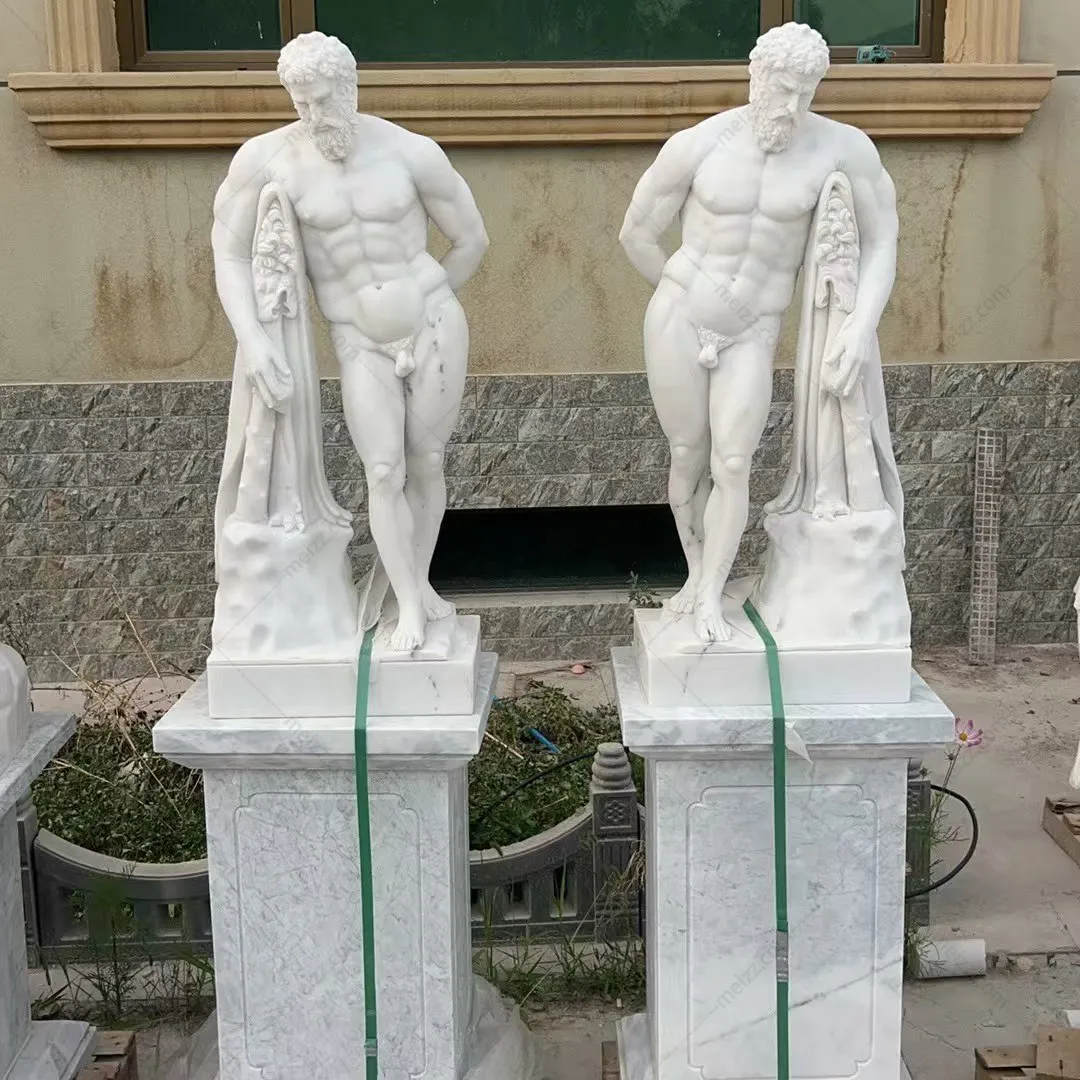
Many people think Greek statues were always white. This idea started during the Renaissance. Artists like Michelangelo and Leonardo da Vinci loved old sculptures. They did not know statues used to have color. They made their own art from white marble. Michelangelo’s “David” is a good example. Leonardo said sculpture should show shape, not color. In the Neoclassical period, artists copied Greek and Roman art. They thought white marble meant beauty and perfection. This idea spread across Europe. It changed how people saw art. Some people even used the white marble style to support unfair ideas about race.
Renaissance artists copied what they saw, not the real past.
Neoclassical artists liked the look of white marble.
Archaeologists found painted statues in Pompeii, but the myth stayed.
Museum Display Choices
Museums help shape what you think about ancient art. Many museums, like the Ashmolean, show statues as plain white marble. They do not always say the statues were painted before. Museum rooms often make the white color stand out. This makes you think white marble is the original look. Some museums, like the Metropolitan Museum of Art and Harvard’s Arthur M. Sackler Museum, show painted copies. The “Gods in Color” show travels the world to display how an ancient greek statue painted in bright colors would look. Still, most museums keep showing only white marble.
Museums usually show just the white surface.
Painted copies are rare but becoming more common.
Effects of Time and Weathering
Time and weather took away most of the paint. Sun, rain, and wind wore off the colors. Pollution made layers of gypsum on the marble. This covered up any leftover paint. Sometimes, cleaning finds bits of color that were hidden for years. The loss of color made people forget statues were painted. Now, when you see a statue, you only see stone. You do not see the art as it was meant to be.
Weather and pollution take paint off marble.
Cleaning can show hidden colors.
Most statues lost their color long ago.
Next time you see a white marble statue, remember it was probably full of color when it was new.
Impact of Color on Greek Art Perception

Rethinking Ancient Greek Culture
When you find out Greek statues had color, you see Greece differently. Bright colors show artists cared about details and creativity. Many people think Greek art is just white marble, but color was important every day. Beauty and design were everywhere, from statues to buildings. Museums sometimes show painted statues, and visitors are often surprised. People feel shocked when they see the real colors. This helps you learn that the old idea of plain statues is wrong.
Bright colors show Greek art was complex.
Knowing this makes you question the idea of only white statues.
You can see how much Greeks valued color and detail.
Painted statues help you see ancient art like people did long ago.
Artistic Intent and Symbolism
Color was not only for decoration. Artists used color to tell stories and share beliefs. Each color meant something special. Blue stripes on Parthenon figures may have shown something about the gods. The Riace bronzes used different metals to make features stand out. Artists and painters worked together to make statues look real and strong.
Evidence | Description |
|---|---|
Polychromies | Artists painted statues in bright colors to make them look real and meaningful. |
Ritual Context | Color added to the feeling of respect during religious events. |
Collaboration | Sculptors and painters teamed up to create impressive works of art. |
Colors helped tell stories about life, myths, and beliefs.
Statues became more than stone—they became part of Greek culture.
Changing Beauty Standards
Finding painted statues changed what people think is beautiful in art. For a long time, many thought white marble was best. Now, you know color mattered in the past. Museums use new tools to show statues with paint. This helps you see beauty in both painted and plain art.
Art experts now agree statues were meant to be colorful.
Painted copies in museums help change old ideas about beauty.
Color made statues easier to see and more lifelike.
Today, you can enjoy ancient art more by imagining it in full color.
You have learned that ancient Greek statues were painted with bright colors. This fact changes how you think about Greek art and history. Color made the statues look lively and interesting. You can picture how detailed and colorful these sculptures were. Seeing the real colors helps you feel closer to the artists and their stories. New technology lets you learn more about these painted statues. Fun activities help you explore and understand ancient art. Experts use digital tools like 3D scanning and artificial intelligence. These tools find hidden paint and show how the art looked long ago. Now, ancient art feels more real and exciting to you.
FAQ
Did all ancient Greek statues have color?
Most statues had color. Artists painted them to look lifelike and show details. You can still see traces of paint on some statues today.
What colors did Greek artists use?
You would see red, blue, yellow, green, and even gold. Artists used natural minerals and plants to make these bright colors.
Why do museums show white statues?
Museums often display statues as plain marble because the paint wore off over time. Many people now expect to see white statues.
Can you see painted Greek statues today?
Yes! Some museums show painted reconstructions. You can also find digital images online. These help you imagine how the statues looked long ago.
Related Posts
- Wikipedia: Ancient Greek sculpture
- Marble Greek and Roman Statues Were Actually Painted in Brilliant Colors
- The White Lie: Questioning the Legacy of ‘Whitewashing’ Ancient Sculpture
- How Much Do You Know About The Philopoemen Sculpture
- 4 Famous Life Size Deer Sculpture
- Headless Angel Statue in the Louvre
- The power symbol of hercules and cerberus statue
- Sculpture Laocoon and His Sons
- Why Greek Male Nude Statues are Popular
- Meizz products: Winged Angel Statue Louvre , Greek God Poseidon Statue ,Hercules Stone Statue , Antonio Canova Venus Victrix Garden Marble Sculpture